How to choose the right excavator size for your project
From mini to 25 tons and up, a simple way to pick the right excavator size from depth, space and volume.
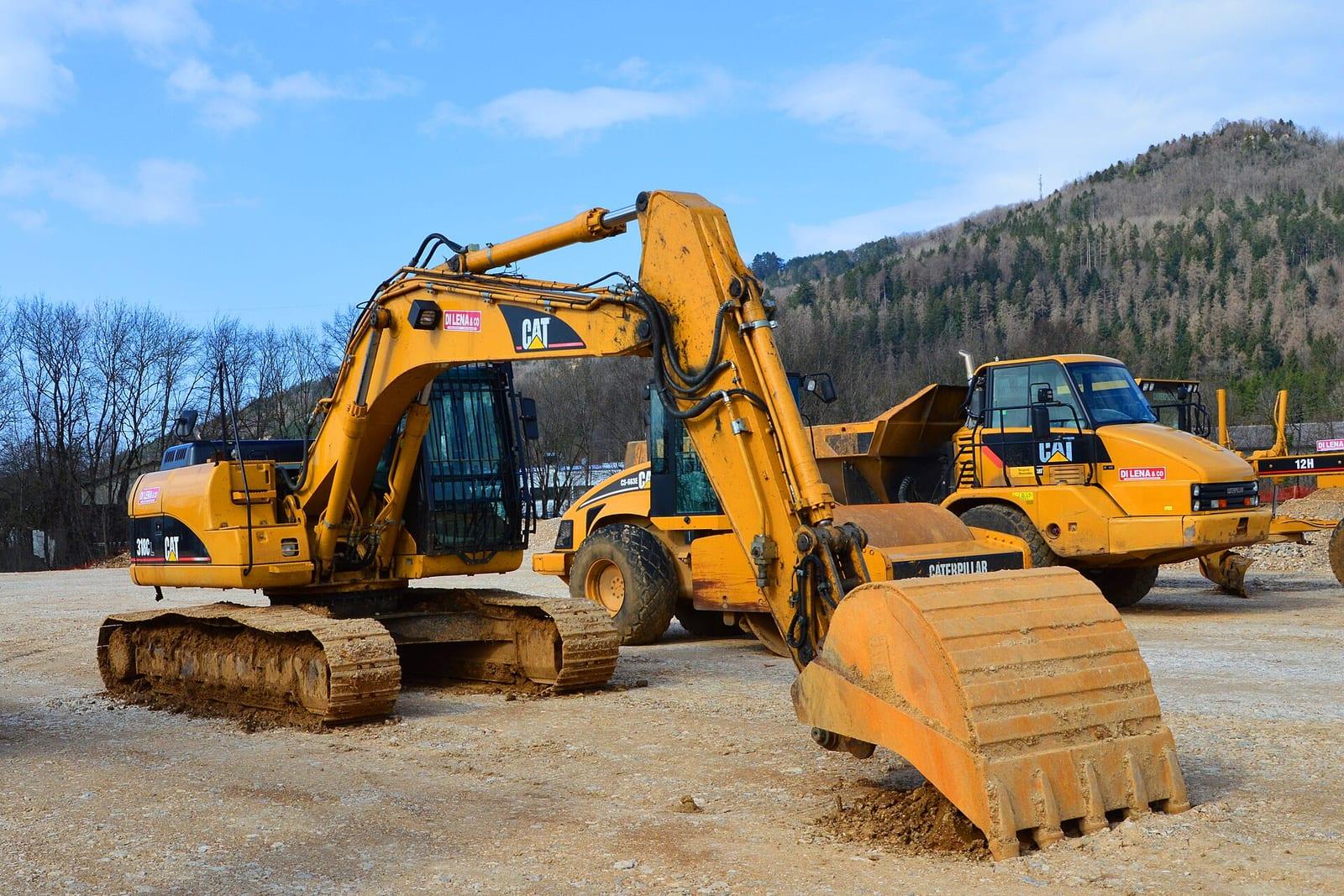
The wrong size of excavator costs you twice: too small and the job crawls, too big and it either cannot get onto a tight site or you pay for capacity you never use. Three questions settle the choice.
1. How deep do you need to dig?
Every excavator has a maximum dig depth. Choose one with some headroom beyond what you need, a machine working at the very edge of its reach is slower and harder to control.
2. How much room is there on site?
Check gate width, the room the machine needs to swing its tail, and anything overhead such as cables or roofs. On tight urban sites a smaller or zero-tail-swing machine usually wins.
3. How much material has to move?
For large volumes, a bigger bucket moves far more per hour. Match the machine to your trucks too, so a truck fills in a few buckets rather than many.
Common size classes
- Mini (about 1–6 t): drains, utility trenches, indoor or tight spaces
- Midi (about 6–12 t): small foundations, landscaping, medium sites
- Standard (about 13–25 t): building foundations, bulk digging, truck loading
- Large (over 25 t): major infrastructure, quarrying, heavy breaker work
Not sure? Send the dig depth, a few site photos and a rough volume, recommending the right size from those is quick.